


Over the past year, Starlink has dominated headlines as a revolutionary satellite internet service promising to transform connectivity worldwide. But how does it really compare to 5G home internet, and does South Africa truly need Starlink?
The debate has intensified after the South African government proposed easing B-BBEE licensing requirements for satellite service providers like Starlink—a move that has sparked criticism from politicians and the public.
Let’s break down the differences between Starlink and 5G and see which option offers the best speed, accessibility, and value for South African users.
What is Starlink?
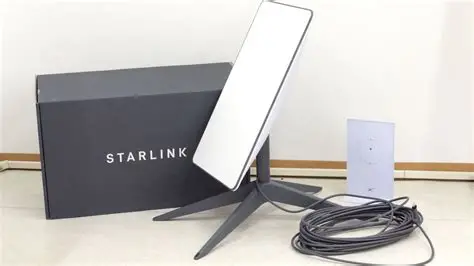
Starlink, developed by SpaceX, uses low-Earth orbit (LEO) satellites to beam internet signals directly to a ground-based dish. This technology bypasses traditional cell towers and wired networks, making it ideal for rural and remote areas where conventional connectivity is limited or unavailable.
What is 5G Home Internet?
5G internet relies on mobile network towers to deliver high-speed signals to home routers via a SIM card. It’s the same technology behind modern smartphones, scaled for home use. While 5G thrives in urban and suburban areas, its performance depends heavily on existing mobile infrastructure.
Speed and Latency
- Starlink: Download speeds range from 50–250 Mbps, with latency around 37 ms, a major improvement over traditional satellite internet.
- 5G: Speeds range from 50 Mbps up to 2 Gbps, with latency averaging 27 ms globally, and as low as 1 ms in optimal coverage areas.
Winner: 5G – faster peak speeds and lower latency, especially in cities.
Coverage and Accessibility
- Starlink: Works anywhere with a clear view of the sky, making it ideal for off-grid and rural users.
- 5G: Expanding rapidly but still faces coverage gaps in rural regions.
Winner: Starlink – better for remote locations.
Capacity and Scalability
- 5G networks are designed to support high user density, ensuring stable performance even during heavy usage.
- Starlink may face congestion as more users connect to a limited satellite network.
Winner: 5G – more scalable with an established network backbone.
Security
- 5G: Built-in encryption and advanced security protocols.
- Starlink: Users must rely on VPNs or other security tools for protection.
Winner: 5G – stronger integrated security.
Cost Comparison
- Starlink: Installation around R6,000, with subscriptions starting at R450/month.
- 5G: Packages range from R399–R949/month, depending on speed and provider.
Winner: 5G – more affordable and flexible packages.
Setup and Portability
- Starlink: Requires a fixed dish installation with clear sky visibility.
- 5G: Plug-and-play routers that are portable anywhere with coverage.
Winner: 5G – easier to set up and move.
Starlink: Best for remote areas with limited or no mobile coverage.
- 5G: Ideal for urban and suburban users seeking faster, more secure, and cost-effective internet.
Ultimately, your choice depends on location, budget, and internet needs. While Starlink offers connectivity where others can’t, 5G provides speed, reliability, and affordability for most South Africans.







Leave a Reply