


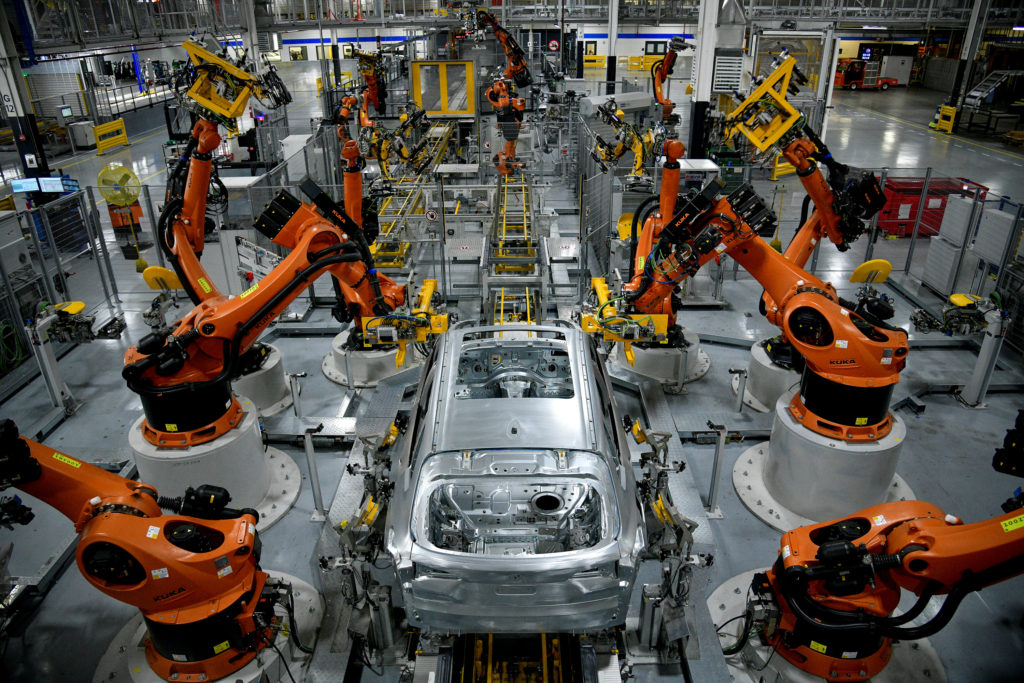
Many clients are asking the same question: If the economy is stabilising, why do operating conditions remain so difficult? The answer lies in the uneven, transitional state of South Africa’s manufacturing sector.
📉 Uneven Performance Across Sub-Sectors
- GDP growth in 2025 was marginal, but manufacturing output fell by 1.3% year-on-year, contracting further in the final quarter.
- Output in motor vehicles and transport equipment dropped by more than 6%, while wood and paper products also declined.
- By contrast, petroleum, chemicals, rubber and plastics contributed positively, showing pockets of resilience.
This divergence reflects an industry adapting to prolonged low growth, volatile conditions, and shifting global trade dynamics.
⚡ Energy Costs: The Immediate Constraint
- Electricity tariffs have more than doubled in a decade, from R1.08/kWh in 2016 to R2.53/kWh in 2025, with further increases expected.
- Load-shedding has eased, but rising costs continue to squeeze margins.
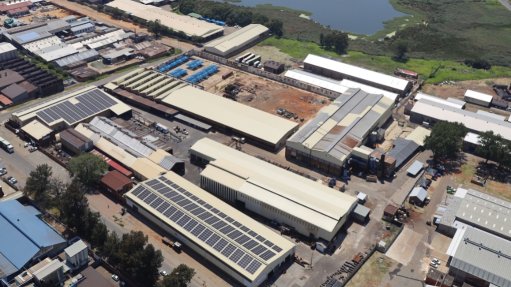
- Manufacturers are investing in solar, embedded generation, and energy-efficient technologies to regain control over supply and costs.
🚚 Logistics and Infrastructure Pressures
- Port congestion and rail failures have inflated lead times and undermined export reliability.
- Peak waiting times at ports in 2025 averaged 2–6 days, though recent investments in equipment and private rail access are beginning to stabilise operations.
- Infrastructure inefficiencies add an estimated 10–15% to industrial operating costs, compressing margins further.
💰 Labour and Input Costs
- Labour costs are rising faster than productivity, with the labour cost index hitting 142.3 points in early 2025.
- Input costs remain elevated despite moderate inflation, reinforcing margin pressure.
- Capital expenditure is increasingly selective, focused on efficiency, cost reduction, and dependable markets.
🌍 Global Trade Shifts
- Geopolitical tensions, carbon border measures, and tariffs are reshaping export competitiveness.
- The automotive sector faces particular pressure, with AGOA preferential access expiring in December 2026.
- Despite this, vehicles and transport equipment remained among South Africa’s leading export categories in 2025.
🏭 Strategic Adaptation Under Pressure
- Firms like Malben Engineering, piloting green steel to meet OEM and export requirements, show how adaptation can unlock opportunity.
- The sector’s resilience is evident: output remains close to pre-pandemic benchmarks, even as its GDP contribution has slipped to 12.8%.
- Long-term growth depends on infrastructure reform, policy clarity, and coordinated investment across government, business, labour, and financiers.
✨ The Big Question
South African manufacturing is not collapsing, nor is it poised for rapid revival. It is adjusting under pressure, positioning itself for a different trajectory of growth. The critical decision now is whether manufacturing will be treated as a strategic national asset — or left to absorb mounting pressures without the conditions required for sustainable expansion.








Leave a Reply