


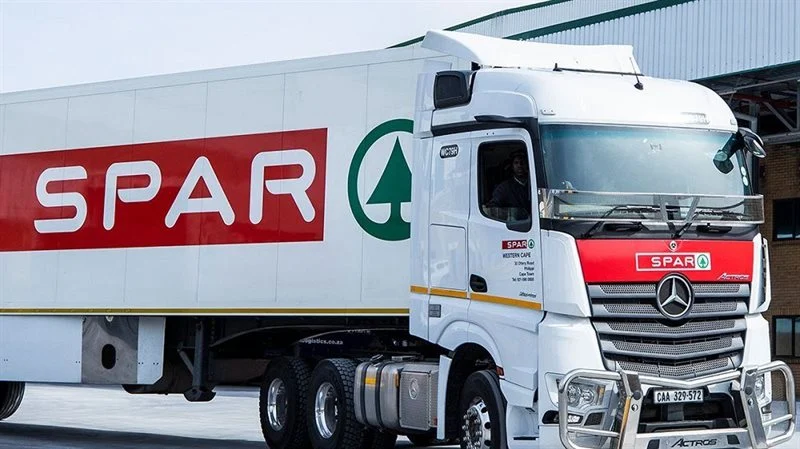
The past few years have tested global supply chains, and South Africa was no exception. From loadshedding and water shortages to fuel volatility and global disruptions, retailers have been forced to rethink resilience.
At Spar South Africa, these lessons have informed a next-generation logistics model, designed for agility, flexibility, and reliability.
Planning for “When,” Not “What If”
Spar’s logistics teams now focus on real-time problem-solving, rerouting deliveries during power cuts, supplying water to drought-affected areas, and mobilising resources during national crises. The emphasis is no longer on “what if” scenarios, but “when” events occur.
Technology: The New Engine Room
The transformation is as digital as it is physical. Key innovations include:
- Predictive analytics for accurate demand forecasting
- Route optimisation tools to cut fuel usage and travel distance
- Warehouse automation and AI dashboards to increase throughput and reduce costs
- Real-time data integration for stock, pricing, and subsidy visibility
A major technology rollout is underway, with the next Eastern Cape distribution centre going live in July 2026, gradually connecting all sites into a unified, data-driven logistics ecosystem.
A Model Serving Both the Group and Local Communities
Spar’s logistics model supports independent retailers across South Africa, balancing national priorities with local realities. During crises like COVID-19 or droughts, trucks deliver essential supplies to every corner of the country.
Transparency, mutual trust, and data-sharing are the backbone of this system, ensuring efficiency and collaboration across all stores, whether corporate-owned or independently operated.
Data-Driven Decisions
Data analytics now informs inventory management, fuel usage, and maintenance prediction, allowing teams to make smarter decisions in milliseconds. Integrated dashboards provide a single source of truth across procurement, transport, and warehouse functions.
AI and automation free employees from repetitive tasks, enabling them to focus on innovation and real-time problem-solving.
Supporting Local Suppliers and National Reach
Spar’s logistics ecosystem connects local producers to national markets, ensuring sustainable scaling, timely delivery, and consistent quality. This “local-to-national” approach strengthens food security and promotes inclusive economic growth.
The Future of Retail Logistics
Spar is preparing for a smarter, faster, more circular logistics future, prioritizing:
- Automation – reducing cost and waste
- Localisation – micro-distribution and regional hubs
- Circular logistics – reverse supply chains for sustainability
- Traceability – AI and blockchain for transparency from farm to fork
Extended delivery windows, smarter routing, and cash flow acceleration between suppliers, retailers, and consumers are also part of the vision.
Change Led by People
Technology drives transformation, but people sustain it. Spar emphasizes hands-on training, real-time testing, and empowering teams to innovate on the ground. The goal is to amplify experience, not replace it.






Leave a Reply