


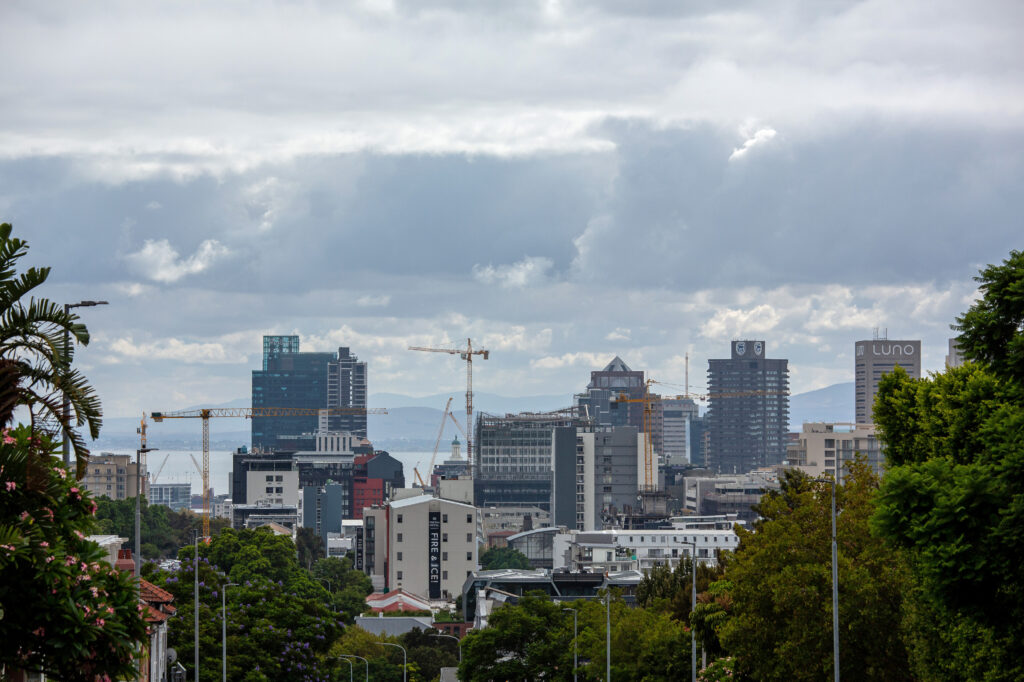
South Africa is taking a bold step to unlock value from its vast property holdings. The government has announced the creation of the South African National Property Company, a new state-owned entity that will manage a portfolio worth R155 billion ($9.2 billion). Public Works Minister Dean Macpherson believes this initiative could evolve into a sovereign wealth-style fund, turning public assets into a long-term growth engine.
A Sovereign Wealth-Style Asset Engine
President Cyril Ramaphosa revealed the plan during his recent state-of-the-nation address. The new company will oversee 88,000 buildings and 5 million hectares of land, redirecting around R6 billion currently paid to private landlords each year into the development and upkeep of state-owned precincts. The goal: create jobs, stimulate the economy, and transform neglected assets into a dividend-paying engine for the nation.
Tackling Years of Neglect
While the government is South Africa’s largest property owner, many buildings have fallen into disrepair or been taken over by squatters due to years of neglect and corruption. The overhaul comes at a critical time, as concerns mount over the decline of central business districts in cities like Johannesburg and Durban—areas that have become synonymous with urban dysfunction.
Macpherson stressed urgency: “There’s currently a R28 billion maintenance backlog in public assets. If we don’t act now, these assets will lose value and maintenance costs will spiral beyond what investors would consider viable.”
Public-Private Partnerships at the Core
The new property company will rely heavily on public-private partnerships (PPPs) to drive targeted development. Financing will be generated by renting out state properties, while a dedicated development fund will be established to raise capital for projects. This blended approach aims to attract private investment while ensuring community benefits.
Potential Risks and Challenges
While the plan is ambitious, several risks could undermine its success:
- Governance and corruption: South Africa’s history of mismanagement in state-owned enterprises raises concerns about whether the new company can maintain transparency and accountability.
- Market volatility: Property values and rental demand can fluctuate, especially in struggling urban centres, which could affect revenue projections.
- Maintenance backlog: With R28 billion in deferred maintenance, the scale of repairs may overwhelm initial budgets, delaying progress.
- Community trust: Squatter settlements and contested land use could create social tensions if redevelopment is not handled inclusively.
- Execution capacity: Setting up a new entity and delivering results within 12 months will require strong leadership and efficient systems—areas where government initiatives have often faltered.
Next Steps
Macpherson confirmed that his department will oversee the rollout, with “substantial progress” expected within the next 12 months. The initiative is designed not just to stabilise public assets but to reposition them as a foundation for long-term economic growth.
South Africa’s government is betting big on its property portfolio. If successful, the South African National Property Company could transform neglected assets into a sustainable source of revenue, jobs, and development—laying the groundwork for a sovereign wealth-style fund.
The challenge now lies in execution: reversing years of decay, building trust with communities, and ensuring that this ambitious plan delivers real dividends for the nation.







Leave a Reply