


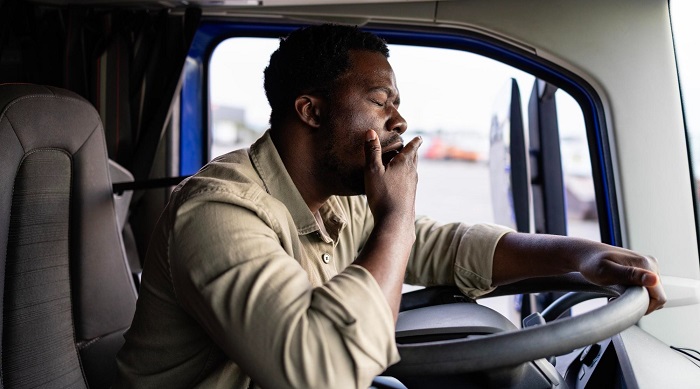
Every fleet manager dreads the call that signals an accident. In seconds, a routine journey can turn into a crisis—injured drivers, damaged vehicles, halted operations, and in the worst cases, lives lost. Sadly, human error remains a leading cause of fatal crashes, and fatigue is one of the most underestimated contributors.
In South Africa, the problem is particularly acute. Truck drivers can legally work up to 90 hours a week, and the country records one of the world’s highest road-traffic fatality rates—24–25 deaths per 100,000 people, four to five times higher than the EU average. Beyond the human tragedy, the Road Traffic Management Council estimates the broader road-crash bill at R200 billion annually, nearly 3% of GDP.
The Complexity of Fatigue Detection
Unlike speeding or harsh braking, fatigue doesn’t announce itself with obvious signals. Even a brief lapse can be catastrophic. A five-second microsleep at 100 km/h means a truck travels more than 130 metres uncontrolled—the length of a rugby field.
Historically, fatigue has been difficult to detect. But advances in AI-powered video telematics are changing that, making it possible to recognise warning signs faster and more accurately.
Real-Time Intervention
Early detection is the first line of defence. Modern video technology can now distinguish between a driver glancing down to change gear and one whose head is dipping from drowsiness. When risk is detected, drivers receive real-time alerts—seat vibrations or audio-visual warnings—prompting them to take a break.
The improved accuracy and reduced false positives mean drivers take these alerts seriously, helping fleets cut behavioural risk by up to 80%.
Human Expertise in the Loop
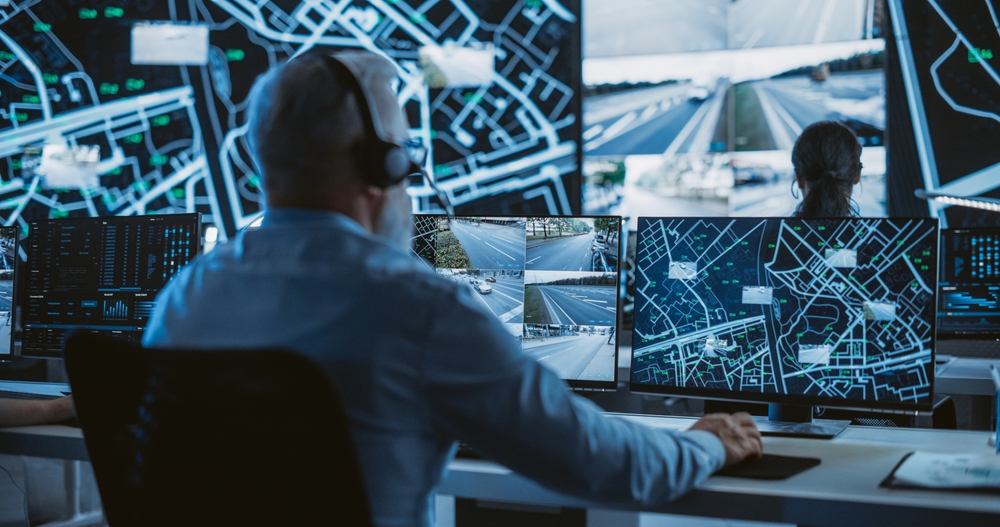
Technology alone isn’t enough. If a driver slips into a microsleep, rapid human intervention is critical. Control tower services staffed by trained specialists can review flagged footage within minutes and alert managers to high-risk events. Drivers can then be contacted and asked to pull off the road immediately.
Globally, these systems review millions of video events monthly, preventing tens of thousands of incidents each year.
Predictive Risk: Tackling Root Causes
The most advanced fleets go beyond detection, using data analytics to understand why fatigue occurs. By analysing in-cab data, companies can identify patterns linked to shift schedules, routes, or times of day.
For example, fatigue risk on South African roads peaks between 4am and 6am, particularly on highways in Mpumalanga, Gauteng, and Limpopo. Long, monotonous stretches of road with limited rest stops also exacerbate the problem.
Armed with these insights, fleets can adjust scheduling, enforce rest breaks, and refine driver coaching to reduce risk.
A Coordinated Approach
Managing fatigue effectively requires more than installing hardware. It demands a coordinated strategy:
- Technology to detect risk in real time.
- Human expertise to act decisively when alerts escalate.
- Data analytics to anticipate and prevent fatigue before it becomes dangerous.
When these elements work together, fleets can take a proactive approach—protecting drivers, reducing accidents, and ensuring that every road user has a better chance of arriving home safely.
Fatigue is a silent but deadly threat on South Africa’s roads. With one of the highest global fatality rates, the stakes could not be higher. By combining AI technology, human oversight, and predictive analytics, fleet operators can move from reactive crisis management to proactive safety strategies.
The message is clear: tackling fatigue is not just about compliance—it’s about saving lives, protecting businesses, and building a safer future for South Africa’s transport industry.




Leave a Reply